 Lamontt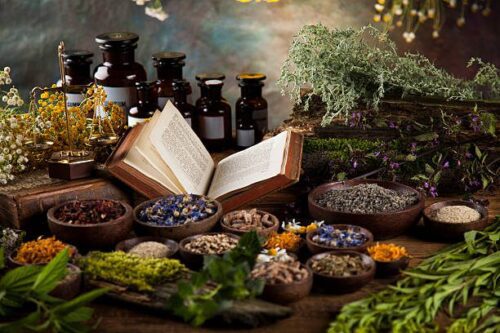
Holistic medicine views health through a broad lens. It’s a comprehensive approach to healing that considers the whole package—body, mind, spirit, and emotions—rather than just treating specific symptoms. It’s like upgrading from a map to a GPS that considers all routes to wellness.
From ancient practices around the globe to modern healthcare, holistic medicine has a long history. Whether you’re talking about Traditional Chinese Medicine or the healing traditions of Indigenous cultures, holistic practices have supported human wellness for centuries. It’s like a greatest hits album of what works for human health.
Now, this ain’t just a history lesson—holistic medicine has firmly planted itself in the contemporary health conversation. It’s not about throwing out your doctor’s prescriptions. Instead, it’s about adding therapies that work with your body’s natural healing systems.
Folks are catching on to the appealing idea of treating the whole person, not just a puzzle with one missing piece. The idea? When you feel better overall, those little pieces start falling into place on their own. It’s about achieving balance and promoting lasting wellness, making it a go-to option in today’s fast-paced world. Holistic medicine’s charm lies in its emphasis on personalized care. Not everybody fits into the one-size-fits-all solution churned out by conventional practices. This approach sees your health not as another checklist, but as a dynamic, evolving process, like a living, breathing artwork
Focus on the Whole Person

A holistic approach means appreciating each person’s unique health story. This isn’t about focusing solely on one problem area. It’s about recognizing how mind, body, and spirit interact and influence each other.
Imagine dealing with stress—not just handing it off to a meditation or a yoga class. Here, you actually take time to unpack what’s driving it in the first place. Perhaps diet plays a role, or maybe it’s your environment, or even emotional baggage. The point? Treatments are personalized to your entire health ecosystem.
In holistic medicine, we often ask what keeps someone from being their healthiest self. Is it work-related stress, an unbalanced diet, a lack of exercise, or maybe, just maybe, not enough sleep? Pinpointing these underlying factors is crucial to drafting a plan that’s not only effective but also sustainable.
The goal is to help you rewrite your health narrative, shifting from reactive to proactive. By tuning in to your body’s natural rhythms and signals, you can prevent issues before they happen. This focus empowers you to live with renewed vitality. Treating and understanding your life as an intricate tapestry of interconnected elements adds depth not just to your health but to your life experiences
Emphasis on Lifestyle Factors

Lifestyle is not just a backdrop in holistic medicine—it’s the main stage. This approach highlights everything from what you eat to how well you sleep, believing these elements hold the key to overall well-being.
Think of it this way: nutrition isn’t just about calories and vitamins. It’s about fueling your body with the right nutrients to keep you energized and balanced. Integrative diets, often plant-rich and packed with real, wholesome foods, are a common go-to, promoting longevity and vitality.
Then there’s exercise, another heavyweight in the holistic toolkit. But we’re not talking about punishing gym routines or relentless boot camps. It’s about moving your body in ways that bring joy—a brisk walk, a dance class, or a calming tai chi session. Consistent movement keeps the body agile and the mind sharp.
Holistic health circles treat sleep like royalty. They see quality rest as the powerhouse behind restoration and rejuvenation. You know the drill: dark room, no screens before bed, and maybe some calming herbal teas to ease you into that sweet state of slumber.
Social connections and emotional well-being also play pivotal roles. Holistic medicine encourages engaging with positive communities and nurturing relationships that feed your soul, while addressing mental stressors that might be dampening your spirit.
It isn’t just about fixing what’s broken; it’s about building resilience through these lifestyle tweaks. The goal is a life that’s not just ongoing but thriving, where stress is managed, energy is high, and health is maintained naturally. Lifestyle changes don’t happen overnight, but with time and commitment, they lead to profound transformation.
Incorporation of Natural Therapies

Natural therapies stand at the heart of holistic medicine, offering a wide range of tools to support healing. These aren’t just alternative routes; they’re companions on the journey toward well-being. Each therapy has its unique flavor and contribution.
Herbal medicine is like raiding nature’s very own pharmacy. Using herbs and plants with medicinal properties, herbal treatments can complement traditional medicine or stand alone. Imagine sipping chamomile tea to relieve anxiety or using eucalyptus balm to clear congestion.
Acupuncture is another star player, utilizing tiny needles to stimulate specific points on the body. This ancient Chinese practice is praised for balancing energy, alleviating pain, and even improving mood. Regular sessions can lead to profound emotional and physical release.
Massage therapy invites you to relax and let healing touch work its magic. It integrates various techniques to alleviate tension, improve circulation, and promote overall relaxation. Regular massage sessions can be a game-changer for relieving mental and physical stress.
Enter yoga, the practice that binds the physical with the spiritual. By combining movement with mindful breathing and meditation, yoga builds flexibility, strengthens the body, and quiets the mind. Whether it’s a vigorous Ashtanga flow or a restorative yin session, it meets diverse needs.
Naturopathy emphasizes prevention and education, utilizing natural remedies and lifestyle strategies to address the root cause of health issues rather than just treating symptoms. It spots preventive measures, dietary changes, and personal well-being strategies that align with individual lifestyles.
Remember Ayurveda? This ancient Indian healing system uses diet, meditation, yoga, and herbal treatments to restore balance to the body’s energies. It’s personalized to each person’s constitution and aims to harmonize with nature.
Integrative Approach to Healthcare

An integrative approach in healthcare means borrowing the best of all worlds. It’s where conventional medicine meets alternative therapies, aiming for a more comprehensive picture of health.
Picture this: it’s not about choosing between your prescribed meds and acupuncture, but about having both work together. This combination can amplify healing outcomes by leveraging the strengths of multiple fields in a coherent plan.
Conditions that often benefit from this integrative strategy include chronic pain, anxiety disorders, and digestive disturbances. Combining therapies like acupuncture with traditional treatments can often provide relief where one approach alone might fall short.
Primary healthcare providers play a pivotal role in this approach. They act as coordinators, ensuring that your treatments fit into a unified strategy. This collaboration helps prevent any treatment overlaps or contradictions.
This approach also thrives on open communication. Patients are encouraged to have ongoing conversations with their healthcare team, discussing all aspects of treatment, whether conventional or alternative.
Integrative healthcare isn’t just about mixing treatments; it’s about setting goals—both immediate and long-term—and finding strategies that synchronize all aspects of one’s health, from medication to meditation.
The shift towards integrative care reflects a growing understanding that health is multifaceted. Creating treatment plans that are flexible and adaptable enables a dynamic response to evolving health needs.
Empowerment in Holistic Medicine

Patient empowerment is the lifeblood of holistic medicine. It puts you in the driver’s seat of your health journey. Instead of passively following instructions, you become an active participant who shapes your health outcomes.
The first step? Building knowledge. Holistic medicine emphasizes education to help you understand your body and how lifestyle choices affect it. The more informed you are, the better decisions you can make for your health. It’s like being handed the manual to your own well-being.
Open communication is crucial here. You’re encouraged to discuss thoughts and worries candidly with healthcare providers. By sharing your opinions and asking questions, you help shape treatment plans that truly fit you.
Personalized care plans empower you. They are crafted with your needs at the forefront, tweaking treatments to fit your lifestyle and health goals. This type of partnership ensures plans are practical and, more importantly, achievable.
In holistic medicine, self-care isn’t a catchphrase; it’s a priority. You learn to tune in to your body’s signals. It turns self-awareness into a powerful tool that helps you spot health issues early, so you can adjust your lifestyle as needed.
Success stories abound of patients who, armed with knowledge and support, make transformative health changes. Whether it’s managing chronic conditions or adopting healthier lifestyles, they highlight the empowerment that comes with holistic practices.
Holistic medicine’s beauty lies in its collaborative nature. This shared decision-making framework acknowledges that you are the expert on your own life, and your insights and experiences are invaluable to your health team.
Benefits of Holistic Medicine

Holistic medicine offers many benefits, often leading to better overall health and well-being. It focuses on fostering balance and harmony in your life—what’s not to love about feeling energized and more connected to your body?
One big draw is its potential to reduce stress and anxiety. With its emphasis on lifestyle adjustments and therapies such as yoga and meditation, holistic practices offer tools to manage stress in a hectic world.
Another bonus? They promote sustainable, healthy lifestyle habits. From encouraging better eating to more active living, holistic medicine builds habits that last long after a specific treatment ends.
When traditional treatments hit a wall, holistic medicine offers alternative or complementary therapies. It’s a go-to for those looking to explore different solutions when dealing with chronic conditions or seeking pain management without heavy reliance on pharmaceuticals.
Navigating these challenges requires awareness and some research. Ultimately, the journey through holistic medicine is about crafting a sustainable personal health narrative aligned with your life goals. As more people adopt its principles, it may pave the way for a more balanced approach to health and wellness.