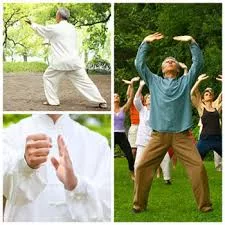
Qigong is like a gateway to tapping into your body’s natural energy flow, often referred to as “qi.” This ancient Chinese practice focuses on balancing and cultivating this vital energy to enhance your overall health and well-being.
The roots of Qigong stretch back thousands of years, deeply embedded in Chinese traditions and medicine. It’s not just a set of exercises; it’s a way of life that emphasizes the harmony between the body and mind.
At the heart of Qigong lies the concept of “Qi,” the life energy that flows through all things. By practicing Qigong, you can improve the circulation and balance of this energy, which is believed to boost physical health, mental clarity, and even spiritual awareness.
One of the fascinating aspects of Qigong is its diversity. It encompasses various forms, ranging from simple, repetitive movements that focus on particular body parts to intricate breathing techniques and meditation practices. This variety makes it appealing and accessible to people of all ages and physical abilities.
Beyond physical benefits, Qigong offers a holistic approach to wellness. Regular practice can help ease stress, improve flexibility, and enhance concentration. It’s like giving your body and mind a gentle reset, promoting a state of tranquility and vitality. Whether you’re new to it or experienced, Qigong is about shaping a healthier, more energetic you.
Tai Chi: A Delicate Dance of Body and Mind
Tai Chi, often regarded as a beautiful, flowing dance, is actually a powerful practice that benefits both body and mind. Its roots are anchored deeply in the principles of Qigong, yet it stands out with its own unique qualities.
While Tai Chi is indeed a form of martial art, it’s also much more—it’s about achieving health through relaxation and rhythmic movements. Each graceful step requires focus, helping to quiet the mind and unify your physical self with your mental awareness.
The structured sequences of Tai Chi may seem challenging at first, but they hold the key to numerous benefits, including improved posture and better balance. These movements promote coordination and flexibility, carefully aligning every part of your body.
Beyond the physical, Tai Chi also offers a mental workout. As you move with mindfulness, distractions fade away, leaving a sense of calm and clarity. It’s a mental cleanse, really.
Embracing Tai Chi doesn’t just enhance physical health; it nurtures emotional balance, too. Whether you’re seeking stress relief or a deeper connection with yourself, practicing Tai Chi can be a transformative experience, centering you in a hectic world.
Key Differences Between Tai Chi and Qigong
Tai Chi and Qigong might share some common roots in Chinese tradition, but they unfold quite differently in practice. While both focus on enhancing energy flow and wellness, their approaches can vary significantly.
Tai Chi is structured and formal, made up of specific sequences that you learn and perfect over time. This complexity can be both intriguing and intimidating to beginners. Meanwhile, Qigong appears to be more adaptable. It can be tailored with simple, repetitive movements or even just guided breathing, making it a go-to option for many who are starting their journey.
One standout difference lies in the rhythm. Tai Chi is all about a continuous, flowing sequence, whereas Qigong allows you to focus on specific movements or even stillness. This flexibility makes Qigong especially accessible to folks with physical limitations or those looking to ease into a new wellness routine.
Health benefits also play out a bit differently. Tai Chi excels in its role as a martial art, offering comprehensive training that fosters strength and balances the body. On the other hand, Qigong’s spectrum of practices helps target specific health issues or invites a daily dose of tranquility.
Assessing which practice suits you can boil down to personal preference. Are you drawn to the artistry and discipline of Tai Chi, or does the adaptable nature of Qigong speak to your need for versatility? Both have their unique perks, and often, a combination of the two can lead to a richly rewarding experience.
Choosing the Right Practice for Your Lifestyle
Picking between Tai Chi and Qigong can feel like a big decision, but it’s all about finding what fits your life best. Think about what draws you in. Is it the structured, artistic flow of Tai Chi or the gentle adaptability of Qigong? Consider your personal goals and how you would like to incorporate these practices into your life.
Starting out might seem daunting, but the key is just to begin. Both practices offer something unique, whether you’re looking to ease stress, improve your balance, or just add a little peace to your day. Classes led by experienced instructors can offer valuable guidance and keep you motivated.
Hearing from others who’ve explored Tai Chi and Qigong can also inspire you. Many find that these practices become more than just physical routines; they transform into pathways to greater self-awareness and peace. Personal experiences often highlight unexpected benefits, showing that the journey can be as rewarding as the destination.
Incorporating Tai Chi or Qigong into your routine doesn’t have to be overwhelming. Small steps are powerful. A few minutes each day can gradually build towards substantial improvements in both physical and mental health. With patience and practice, these ancient arts can unlock doors to a healthier, more centered version of yourself.