 admin
admin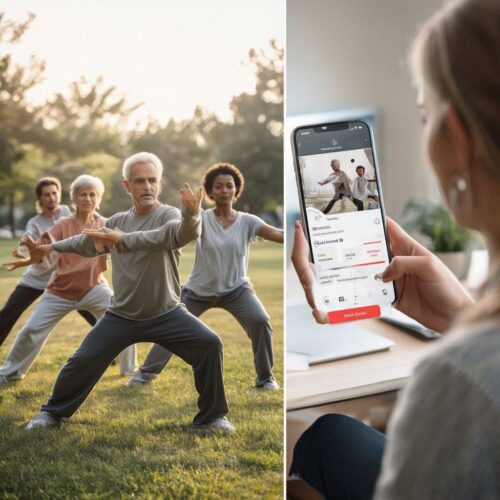
In-person Tai Chi instruction really stands out because of the immediate, tailored feedback you get from an instructor. It’s all about those subtle adjustments that make a world of difference in your practice. An instructor’s keen eyes can detect how your weight is distributed, how your posture holds up, and can nip any bad habits in the bud. Let’s be real: spotting a locked joint or a slouched stance on your own is a tall order, but that’s where real-time corrections swoop in to save the day.
There’s something about feeling the movement, right? Tactile feedback is like a secret weapon in learning Tai Chi. When you can actually feel the ‘Qi’ or energy shift in your body, or when your teacher guides you through the tension needed between your legs, it suddenly all clicks. This isn’t something a screen can replicate, no matter how interactive an app claims to be.
Safety is another major win for in-person classes. If you’re dealing with some old injuries or chronic pain, having someone there who can make on-the-fly adjustments to your routine is crucial. You want those modifications to keep things safe and avoid extra strain, right? In-person instruction isn’t just about making corrections—it’s making sure you don’t hurt yourself while doing so.
Plus, there’s the whole vibe of working out with other people. The energy in a room full of learners can’t be underrated. That sense of shared progress and mutual encouragement does wonders for motivation. Apps just don’t give you that same communal feel. You aren’t just learning movements, but experiencing them together, which boosts accountability like nothing else.
Convenience at Your Fingertips: Benefits of Using Tai Chi Apps
Tai Chi apps bring a level of convenience that’s hard to beat, especially if you’re always on the go or like blending flexibility with fitness. Imagine having a Tai Chi class right in your pocket. No need to worry about hitting traffic or finding parking spots. With an app, your practice space stretches as far as your phone’s signal.
One of the greatest perks of app-based learning is being able to replay individual segments. You can perfect that tricky “heel-ball-toe” transition at your own speed, without feeling you’re slowing down an entire class. This means tailoring your learning to your strengths and challenges, ensuring nothing stands between you and mastering those moves.
And let’s talk visuals. Many high-quality apps feature multiple camera angles or slow-motion replays. That extra clarity can make the difference, especially when learning complex sequences or subtle shifts. Seeing each move from several perspectives right at your fingertips can sometimes give a better view than a crowded classroom setting.
There’s also the matter of cost. Tai Chi apps typically cost far less than traditional classes. It’s an affordable alternative that opens more practice opportunities without stretching your budget thin. This lower price point makes them an attractive option for people testing the waters before diving into more expensive commitments.
Comparing Learning Styles: Real-time Feedback vs. Self-guided Learning
When it comes to Tai Chi, the difference between having a mentor right there and going solo with an app is huge. In-person instruction means having a teacher who can instantly correct your form the moment something looks off. Questions that pop into your head during practice? You get answers immediately, no waiting around.
On the flip side, self-guided learning through apps makes you your own teacher. It’s about watching those demonstrations and learning to spot your own mistakes. There’s a sense of self-reliance that builds over time. When you break down your own motions, you really start to understand your body’s language.
Getting real-time feedback is like getting a fast pass to understanding correct body mechanics. A teacher not only shows you the moves but helps you feel them. Apps mainly provide visual cues that can be incredibly detailed, yet they miss out on the instructional depth of live class interaction.
However, access to expertise isn’t just confined to a dojo or studio anymore. Digital resources have expanded the scope of what’s possible. Videos and interactive features can add variety and depth to your learning. Yet, there are differing scales to how deep this expertise can go compared to one-on-one feedback and nuanced clarification from seasoned instructors.
Common Mistakes to Watch for When Learning Tai Chi Independently
Taking on Tai Chi solo can be rewarding, but it’s easy to pick up some lousy habits without realizing it. One common mistake to watch for is what I call ‘falling into the step.’ Instead of slowly shifting weight forward, beginners often drop their weight onto the front foot. Getting that smooth and graceful transition takes conscious effort and practice.
Double-weighting is another tricky spot. It’s about mastering the balance between the ‘full’ (weight-bearing) and ’empty’ (moving) leg. Apps might show you this, but having a real pair of eyes catch it right away is unbeatable. When you’re practicing alone, it’s crucial to keep this separation of weights at the forefront of your mind.
Alignment issues can sneak up on anyone. Collapsed knees, leaning too far ahead or back—they’re all too familiar for beginners. Keeping a centered posture, from the crown of your head straight to your toes, is key. Apps can help show you the ‘what’ and ‘how,’ but ensuring it’s done safely often requires more.
Finally, consistency keeps everything glued together. Regular practice doesn’t just hone skills, but also ingrains routines which help sidestep errors naturally. Without a teacher to hold you accountable, setting personal goals and sticking to them becomes even more important. Regularly visiting these fundamentals ensures progress, even when you’re steering your own ship.